Description
Over-Bed Tables for Convenient Bedside Use
Over-bed tables provide a stable and adjustable surface that supports daily activities while a patient remains in bed. Designed for healthcare and home care environments, these tables allow users to eat meals, read, work, or manage personal items comfortably from a bed or chair. As a result, they improve convenience, independence, and overall comfort during recovery or long-term care.
Adjustable Design for Comfort and Accessibility
Over-bed tables feature height-adjustable frames that allow easy positioning over hospital beds, recliners, or wheelchairs. This flexibility helps users find a comfortable setup for different activities throughout the day. In addition, many designs include tilt or flat tabletop options, which allow users to adjust the surface based on reading, writing, or dining needs.
Durable Construction for Daily Use
Manufacturers build over-bed tables with sturdy materials to support frequent use in medical and residential settings. Stable bases help prevent tipping during use, while smooth-rolling casters allow easy movement and repositioning. Moreover, locking wheels keep the table securely in place when needed. Easy-to-clean surfaces support hygiene standards and simplify maintenance.
Functional Features for Patient Convenience
Many models include raised edges to help prevent items from sliding off the surface. Additionally, larger tabletop designs provide enough space for meals, laptops, medical equipment, or personal belongings. Lightweight frames make it easy for caregivers or users to reposition the table without strain.
Compatibility with Medical Beds and Seating
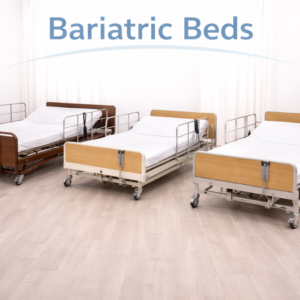
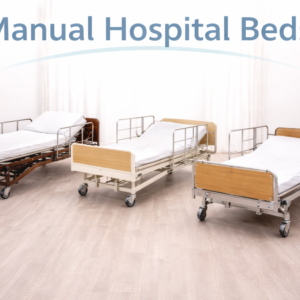
Over-bed tables work well with manual, semi-electric, full electric, and bariatric hospital beds. They also pair effectively with recliners and wheelchairs, making them versatile across care environments. Therefore, facilities and home care providers can use the same table for multiple applications.
Ideal for Healthcare and Home Care Settings
Hospitals, rehabilitation centers, assisted living facilities, and home care environments commonly rely on these tables. Their adjustable design supports patient independence while reducing caregiver workload. By offering a convenient bedside surface for daily tasks, over-bed tables contribute to comfort, functionality, and improved quality of care.